
As an Amazon Associate I earn from qualifying purchases.
I’ve been a nurse for over thirty years, and I’ve had foot problems for most of them. I’ve tried a lot of shoes. Some of them were expensive mistakes.
This isn’t medical advice — if your feet hurt every day, see a podiatrist, because there are treatments worth knowing about and I’m not qualified to talk about them. What I can tell you is what has actually worked on my feet through three decades of twelve-hour shifts, and what hasn’t.
What matters in a shoe
Three things, in order:
Arch support. This is everything. A shoe with a flat, soft interior will hurt you no matter how cushioned it feels in the store. Most of my worst shoe experiences came down to this.
No heel. Anything with even a slight heel rise is out for me. That includes a lot of shoes marketed specifically to nurses.
Enough width. After thirty years I have severe bunions, and a shoe that pinches is unwearable within an hour. Don’t buy shoes that feel snug and assume they’ll stretch.
And a fourth that’s less obvious: don’t buy tight. Whatever size feels right standing in the store, remember your feet swell over a shift. A little room is not a flaw.
What I actually wear
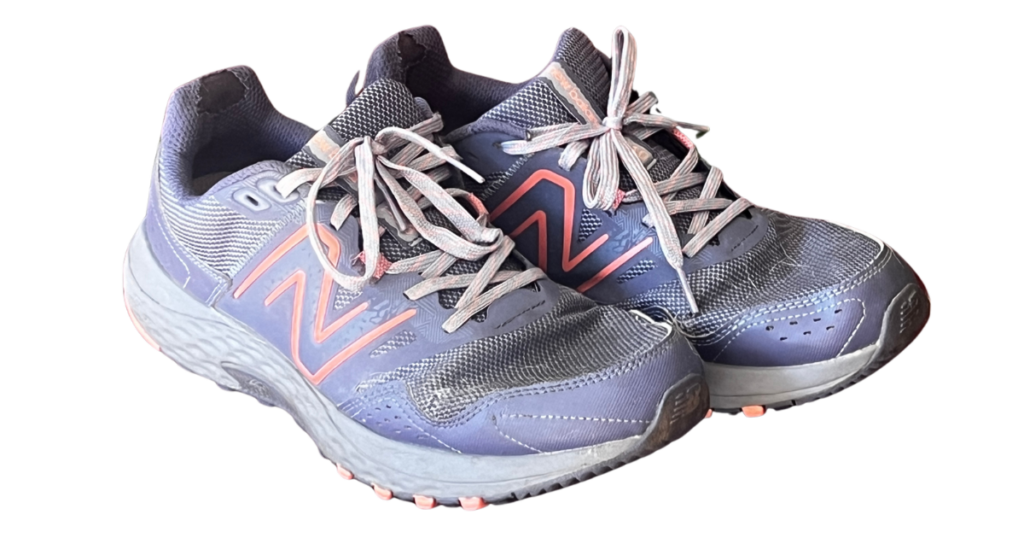
New Balance. This is my main recommendation. Good arch support out of the box, they come in wide sizes, and they hold up. This is what I’d tell a nurse with foot pain to buy.
Skechers. Underrated for durability — mine last forever. But be selective: some models have almost no arch support, and those are the ones to avoid. Check the interior before you buy.
Men’s shoes, if you can make the size work. I’m currently wearing men’s, and they seem to be built better than the women’s version of the same shoe. Wider, sturdier construction. Worth trying if you have wide feet.
The Brooks situation
Brooks is one of the most recommended brands in nursing, and I want to give you my honest experience.
My first pair was genuinely comfortable when I got them. Four months later, the sides had busted out of both shoes and my big toe was coming through the top of one. Four months, on shoes that cost a lot of money.
To their credit, I emailed the company and they sent me a brand new pair. That’s real customer service and it counts for something.
But I swore I’d never buy them again.
I’m currently wearing a pair of Brooks, because they were on clearance and looked sturdier than my first pair — and they’re men’s, which I think is part of why they’re holding up better. So my position is: comfortable, good company, but check the build quality before you commit. Durability seems to vary a lot between models.
What I’d skip
Clogs. I can’t walk in them. I feel like I’m constantly curling my toes to keep them from slipping off, which is its own source of foot fatigue. Danskos in particular are popular in nursing and completely wrong for my feet — there’s a heel, and there’s not enough padding.
Alegria, Crocs, Birkenstocks. Same problem for me: not enough cushioning for twelve hours on hard floors.
Converse or anything flat. This is the classic new-nurse mistake. Flat canvas shoes with no arch support and no padding will destroy your feet on a hospital floor.
Hokas — with a caveat. Plenty of nurses swear by them. I spent $200 on a pair and didn’t get along with them at all. That’s a personal fit thing rather than a product flaw, but it’s worth knowing they don’t work for everyone before you spend that much.
Insoles matter as much as the shoe
This is the part people get wrong.
You want hard insoles with real arch support — not the soft gel kind. The squishy ones feel wonderful when you press them with your hand in the store and do nothing for you at hour nine. Support is the point, not cushioning.
A good aftermarket insole can rescue a mediocre shoe. A gel insole can’t rescue anything.
If you can afford it, get custom orthotics made by a podiatrist. I did this years ago and it helped more than any shoe I’ve bought. They were $700 and insurance didn’t cover them at the time — that may have changed, and it’s worth asking. Expensive, but they lasted and they worked.
Two tricks that helped me
Change shoes halfway through the shift. I’d take a second pair to work and swap at the six-hour mark. I don’t fully understand why this helps, but it does — probably varying the pressure points. If you have two decent pairs, try it.
Taping. I taped my feet before every shift for years and it helped. But get a professional to show you how — a podiatrist or physical therapist — because doing it wrong won’t help and might make things worse.
What I’d buy today
If you’re a nurse with foot pain and you need to fix it this week:
- A pair of New Balance in a wide size if you need it. Don’t buy them tight.
- A firm arch-support insole — not gel.
- A second pair to switch into mid-shift if you can swing it.
And if it still hurts, see a podiatrist. I spent years managing this on my own before getting real help, and I wish I’d gone sooner.
The part I’d tell a new nurse
Don’t buy cheap shoes.
After thirty years I have severe bunions, heel spurs, and my legs are covered in spider and varicose veins. Some of that comes with the job no matter what you do. But the shoes matter, and the ones you wear in your twenties are still with you in your fifties.
The good pair is cheaper than the podiatrist.